Begin With Scripture
Start by reading the relevant biblical passages rather than relying on isolated statements or opinions.
Explore Bible StudiesQuestions about God, Scripture, Jesus Christ, and Christian living are a natural part of learning and growing in faith.
True Living Ministry encourages thoughtful questions and careful exploration of God's Word. Whether you're new to the Bible or have studied it for years, you're welcome to explore.

You don't need to have every answer before you begin studying the Bible. Asking questions can help you read more carefully, understand biblical context, and grow in your knowledge of Christian teaching.
Below are introductory answers to common questions, along with Scripture references to encourage further study.
Choose a topic or browse the questions below. Click any question to read its introductory answer.
The Bible presents God as the eternal Creator of all things, holy, just, loving, and sovereign over creation.
Christian teaching understands God as one God who is Father, Son, and Holy Spirit. Scripture reveals God's character through His works, His Word, and ultimately through Jesus Christ.
Genesis 1:1 | Deuteronomy 6:4 | John 1:1-3Scripture teaches that God created the heavens and the earth by His will and that His creation displays His glory.
The opening chapters of Genesis describe creation as God's work and humanity as made in His image.
Genesis 1:1-31 | Psalm 19:1 | Revelation 4:11Christianity teaches that Jesus Christ is the Son of God, fully God and fully human, who came into the world to accomplish God's work of salvation.
The New Testament describes His life, teachings, death, and resurrection as central to the Christian Gospel.
John 1:1-14 | John 3:16 | Colossians 1:15-20The word Gospel means good news. In Christian teaching, it refers to the good news of Jesus Christ.
Scripture teaches that Christ died for sins, was buried, and rose again. The Gospel calls people to repentance and faith in Him.
1 Corinthians 15:1-4 | Mark 1:15 | Romans 10:9-10In the New Testament, salvation refers to God's rescue from sin and its consequences through Jesus Christ.
Ephesians describes salvation as a gift of God's grace, received through faith, rather than something earned through human achievement.
Ephesians 2:8-10 | Romans 3:23-24 | Acts 16:30-31One helpful starting point is reading a Gospel such as John or Mark, which introduces the life and teaching of Jesus.
Read complete passages, consider their context, take notes, and ask what the text communicates before considering personal application.
John 20:30-31 | 2 Timothy 3:16-17A verse is part of a larger passage, book, and historical setting. Understanding the surrounding text helps us interpret a passage more carefully.
Context helps readers avoid assigning meanings to verses that may not reflect the author's intended message.
Nehemiah 8:8 | 2 Timothy 2:15The Old Testament records creation, Israel's history, the Law, wisdom writings, and the prophets.
The New Testament centers on Jesus Christ, His life and ministry, the growth of the early church, and apostolic teaching.
Christians understand both Testaments as part of the unified biblical story.
Luke 24:27 | Hebrews 1:1-2Prayer is an important part of Christian faith and relationship with God. Scripture encourages believers to pray, give thanks, seek wisdom, and bring concerns before Him.
Jesus also taught His followers how to pray, including through the prayer recorded in Matthew 6.
Matthew 6:9-13 | Philippians 4:6-7 | 1 Thessalonians 5:17Following Jesus involves faith in Him, learning His teachings, and seeking to live as His disciple.
The New Testament connects discipleship with obedience, love for others, spiritual growth, and continuing in Christ's Word.
Luke 9:23 | John 8:31 | John 13:34-35Scripture teaches that forgiveness is central to the Christian life. Believers are called to forgive others in light of God's forgiveness.
Forgiveness does not necessarily remove consequences, restore trust immediately, or require someone to remain in an unsafe situation.
Ephesians 4:32 | Colossians 3:13 | Matthew 6:14-15Christian spiritual growth involves learning Scripture, prayer, fellowship with other believers, and applying biblical teaching in daily life.
The New Testament encourages believers to grow in grace, knowledge, love, and spiritual maturity.
2 Peter 3:18 | Hebrews 10:24-25 | Colossians 2:6-7No questions found in this category.
Have a question you don't see here?
Submit a Bible QuestionUnderstanding the Bible requires careful reading, attention to context, and a willingness to learn from the text itself.
Start by reading the relevant biblical passages rather than relying on isolated statements or opinions.
Explore Bible StudiesUnderstand the surrounding passage, its original audience, and how it fits within the larger biblical message.
Explore ResourcesThoughtful questions can lead to deeper study, meaningful conversations, and spiritual growth.
Connect With the Ministry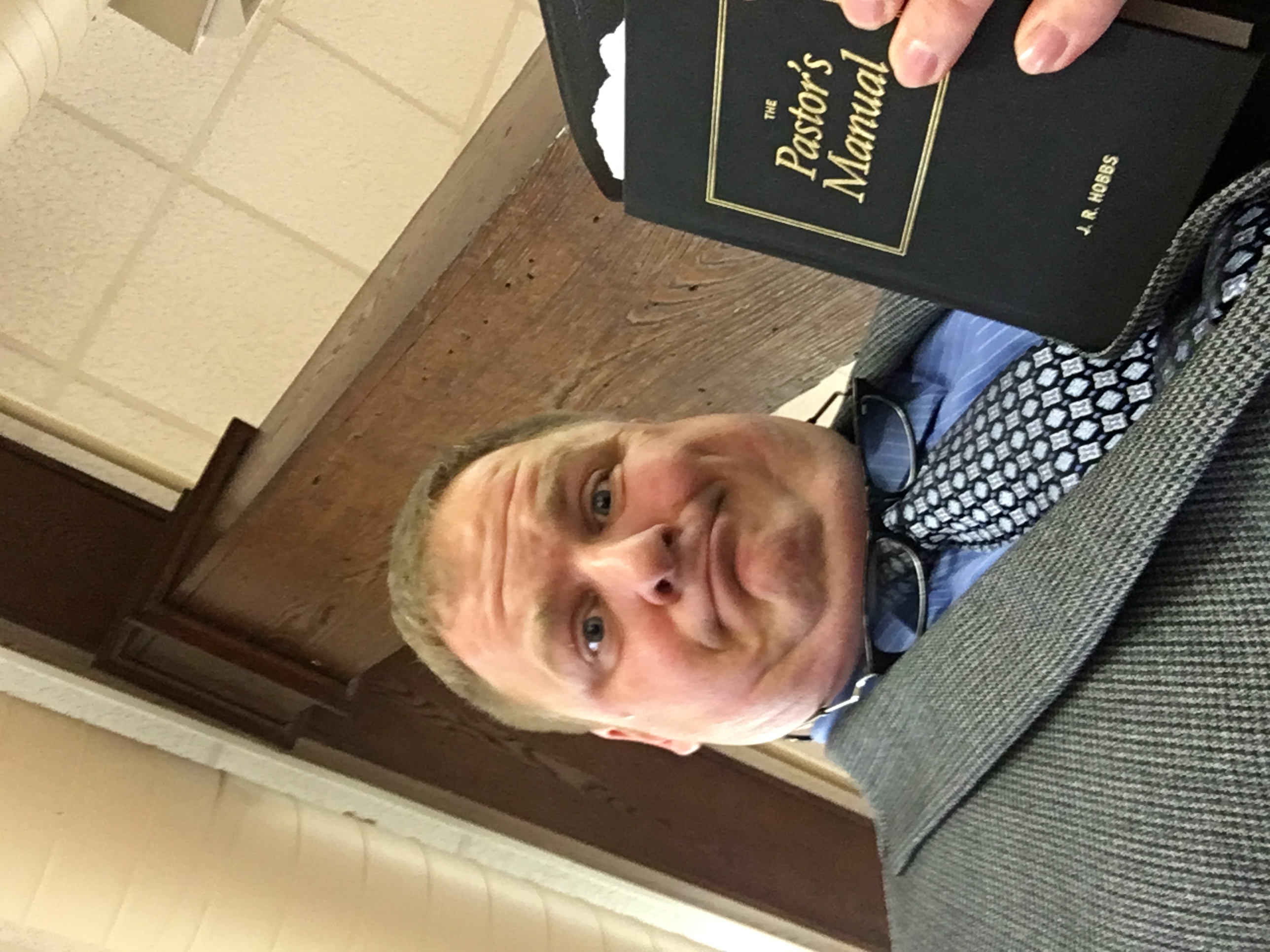
Mike brings theological education and ministry experience to his approach to Scripture and biblical teaching.
He holds a bachelor's degree in Bivocational Ministry, a master's degree in Christian Studies from the University of the Cumberlands, and a Master of Divinity in Biblical Counseling from Midwestern Seminary.
Mike's ministry background includes Gospel outreach, biblical guidance, and experience training more than 300 pregnancy-center workers to share the Gospel.
True Living Ministry seeks to encourage careful study of Scripture, thoughtful conversations, and spiritual growth.
"Thy word is a lamp unto my feet, and a light unto my path."Psalm 119:105 | KJV
Whether you're exploring Christianity for the first time or studying a challenging passage, we welcome thoughtful questions. Contact True Living Ministry to share what you'd like to explore.
Prefer to call? 812-546-9558